San Antonio from Austin: The Alamo Reservation, the Missions Past the Postcard, and the River at Dusk
Ninety minutes down I-35, the Alamo runs on free timed tickets and the real UNESCO site starts south of it — four working mission churches the postcard forgets. The river does its best work at dusk.
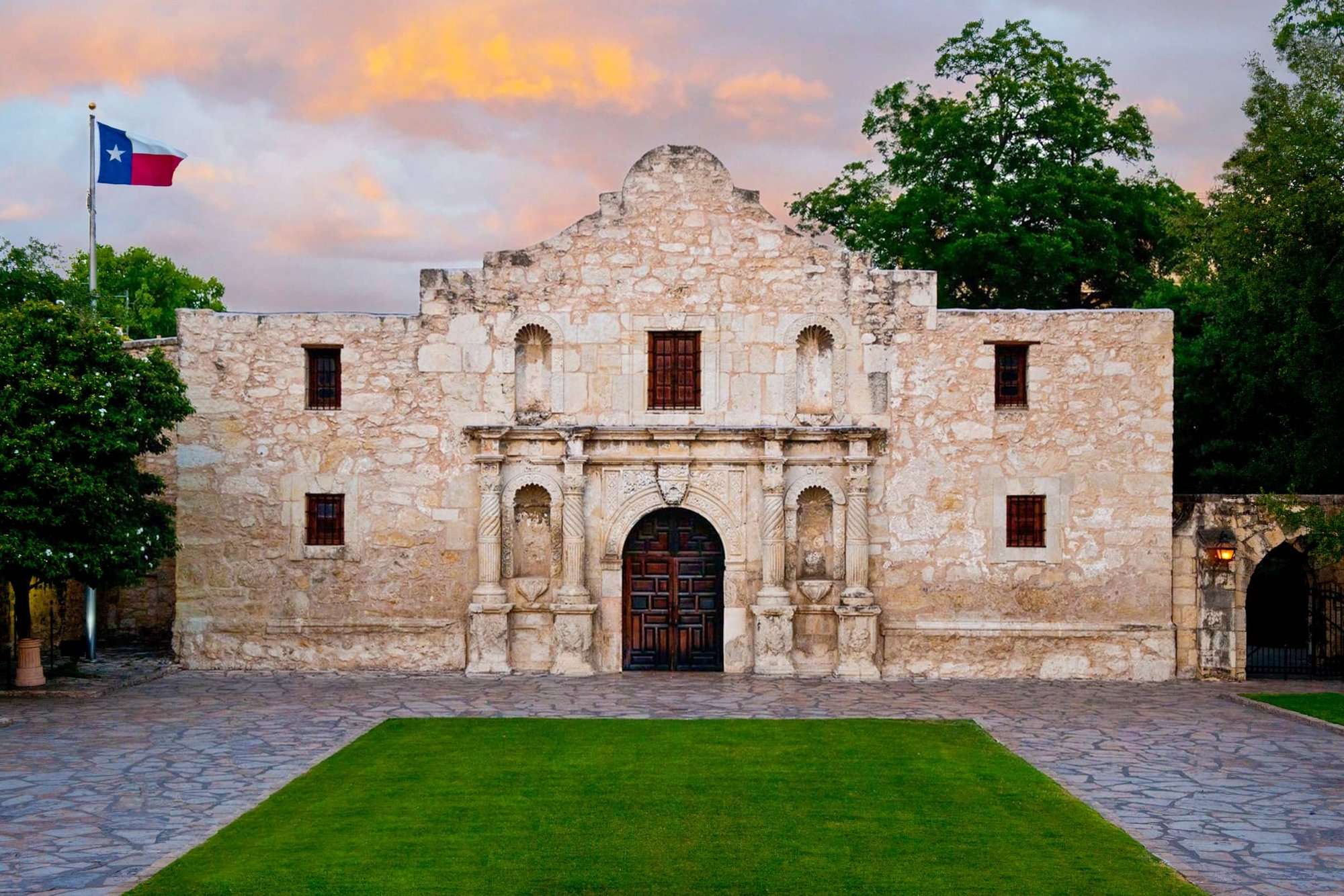
The short version
- The drive runs I-35 south about 90 minutes on the corridor’s realistic average — the construction-and-traffic lottery argues for a departure either side of the commutes.
- The Alamo’s church admits on free timed tickets booked at thealamo.org — the alarm’s reserve-first rule; the plaza, cenotaph, and exhibits frame the 1836 siege story around the building itself.
- The UNESCO listing covers the whole mission chain: four 18th-century Spanish missions — Concepción, San José, San Juan, Espada — run free by the National Park Service south along the river, with San José’s scale and famous Rose Window as the anchor; details at nps.gov/saan.
- The missions remain working parishes — Sunday’s mariachi Mass at San José is the living version of the history, attended respectfully by visitors who time for it.
- The River Walk’s horseshoe loop runs below street level through the downtown’s banked terraces — free to walk always, with the narrated boat loop (~$15) holding its best value at the alarm’s dusk hour.
- The Pearl — the reborn brewery district upriver — carries the food hall, weekend farmers market, and the riverside extension walk; Market Square’s Tex-Mex institutions and the Tower of the Americas fill the remaining registers.

Getting there
I-35’s ninety minutes is the planning figure with the corridor’s roadwork honestly priced in — the early start beats both cities’ merges. Park once downtown (the garages by the Alamo or river) and let the day run on foot and boat; the missions’ chain south is the one driving leg, ten minutes between sites on the Mission Road, or the river’s paved hike-and-bike trail for the pedaling version. Amtrak’s single daily train runs times that don’t serve a day trip; this is a drive.
The day
Alamo at your booked slot, morning preferred: the church’s spare interior, the long barracks’ exhibits, and the plaza’s readings of the thirteen days — an hour done properly, with the postcard obligation satisfied and contextualized. Then the day’s real depth heading south: Concepción’s frescoes first, San José’s full quadrangle — granary, bastions, the Rose Window, the film at the visitor center — for the longest stop, and San Juan or Espada’s quieter grounds as time allows; the aqueduct at Espada still carries water three centuries on. Lunch lands at the Pearl’s food hall or Market Square’s enchilada institutions by loyalty. The late afternoon returns downtown for the river: the walk’s shaded loops, a raspa or a terrace margarita, and the boat’s half-hour narration as the lights come on — the alarm’s dusk assignment, kept. The drive north runs against the worst of nothing if dinner happens first.
When to go
October through April is walking weather; summer runs San Antonio’s own furnace setting and reorganizes the day around morning missions, midday interiors, and the river’s shade — the city works year-round on exactly that pattern. Fiesta (late April) is the calendar’s supernova: ten days of parades and cascarones that fill every room and street. December dresses the River Walk in its famous lights — the boat ride’s best season and the crowds that know it. Sunday mornings add the mariachi Mass at San José for those who plan the missions’ order around it.
Frequently Asked Questions
Why does the Alamo need a reservation if it’s free?
Capacity management in the church — the timed system meters the small building’s flow, and the free tickets release ahead with same-day scraps unreliable. The plaza and grounds need nothing; the alarm’s rule covers the part everyone came for.
Are the missions really better than the Alamo?
Different jobs: the Alamo is the battle shrine; the missions are the living 18th-century system — architecture, acequias, and parishes still working. San José at full scale reframes the whole story. History travelers rank the chain first; the sensible itinerary does both in that order.
Is the River Walk a tourist trap?
It’s an engineered riverside district and knows it — the margarita terraces price the setting. Taken at dusk by boat and on foot with dinner chosen deliberately (the Pearl upriver out-cooks the horseshoe), it’s the city’s signature done right.
What about Austin-San Antonio traffic, honestly?
I-35’s corridor runs America’s most reliable unreliability — 90 minutes is the average, two hours the bad roll. Depart outside the commutes, check the corridor before leaving, and the day absorbs it. The rail alternative isn’t one yet.
Can I add the Hill Country or the caverns?
Natural Bridge Caverns sit off I-35 en route for a 90-minute add that families rate highly; Gruene’s dance-hall charm makes the classic dinner stop northbound. The Hill Country proper (Fredericksburg, documented on this network) wants its own day — greed is the only enemy here.